Dr. Amelia
Sleep Specialist & Medical Reviewer • 12+ Years Exp in Behavioral Sleep Medicine
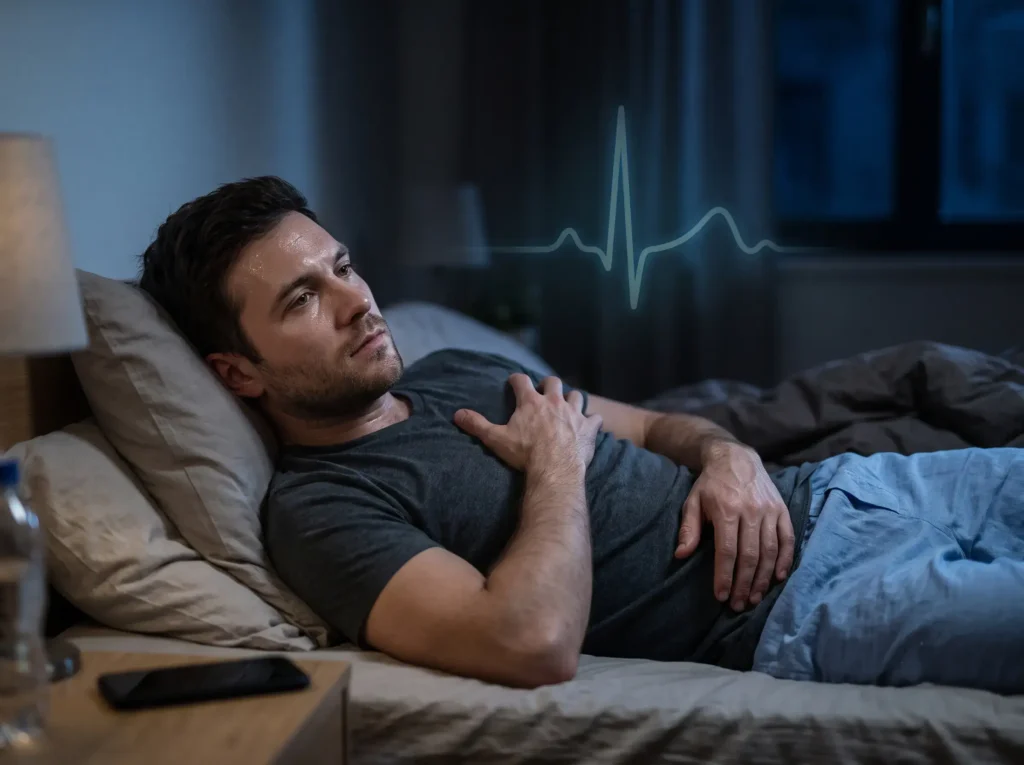
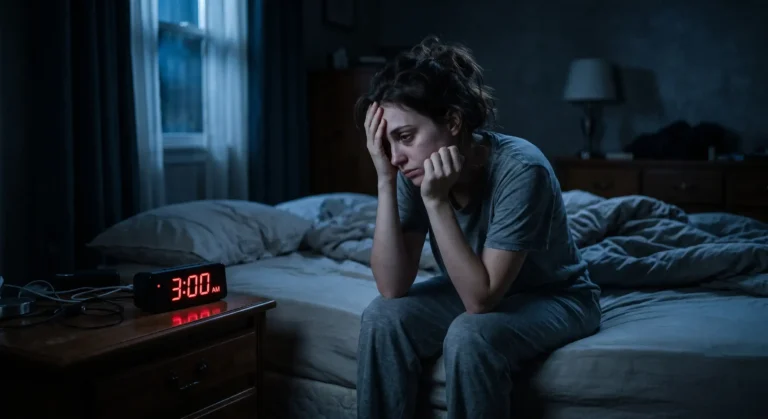
You had two or three drinks. You fell asleep fast, maybe faster than usual. Then, somewhere around 3 AM, your eyes snapped open. Heart pounding a little. Mind already racing. Sleep, gone.
If you’ve typed “why do I wake up at 3am after drinking” into a search bar at that exact hour, you’re not alone, and you’re not broken. This is one of the most predictable, well-documented patterns in sleep science. It has a name, a mechanism, and — more usefully — a fix.
Why Do I Wake Up at 3AM After Drinking? The Short Answer

Alcohol is a sedative going in and a stimulant coming out. It relaxes your brain for the first few hours, then triggers a rebound of excitatory chemicals as your liver clears it from your system. That rebound tends to land right in the early hours of the morning, which is why 3 AM feels like such a fixed appointment.
It’s not one single switch flipping. It’s several biological systems reacting at once — a chemical rebound, a hormone spike, a blood sugar dip, and sometimes a full bladder, all converging in the same narrow window.
Table of Contents
The Sedation Trap: Why Alcohol Knocks You Out So Fast
Alcohol boosts GABA, your brain’s main calming chemical, while suppressing glutamate, the main one that keeps you alert. That’s the whole reason a drink or two makes your eyelids heavy within the hour. Your brain gets quieter. Muscles loosen. You drift off.
But here’s the catch nobody mentions on the label: this early “sleep” is shallow. It looks like sleep from the outside — you’re unconscious, breathing slow — but the underlying architecture is off. You get pulled toward deep, slow-wave sleep early, at the cost of something else you’ll need later in the night.
Alcohol doesn't just wear off quietly. As your body clears it, your nervous system overcorrects, and that overcorrection is what wakes you.
The Rebound Effect: Why Alcohol Wakes You Up After a Few Hours
This is the part that actually answers why does alcohol wake me up after 3 hours or so of sleep instead of letting you sleep through.
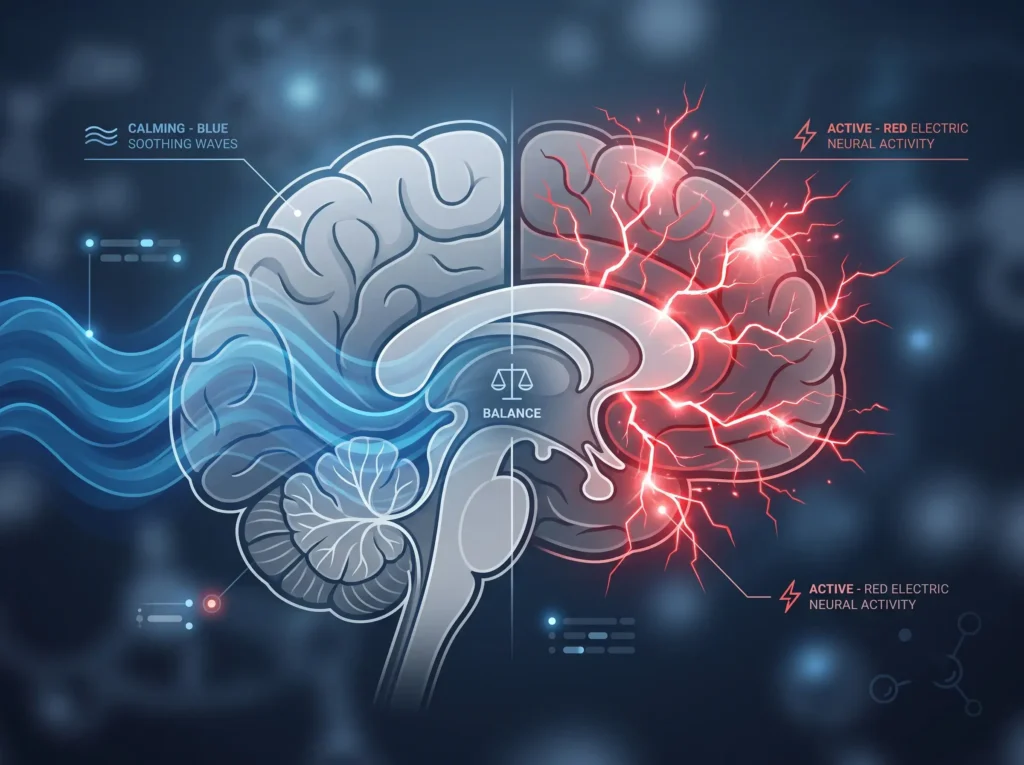
Your liver processes alcohol at a fairly fixed rate, roughly one standard drink per hour. While alcohol is in your system, your brain adjusts to compensate for the sedation — dialing GABA down and glutamate up just to maintain balance. The problem is that this adjustment doesn’t switch off the second the alcohol clears. For a few hours, you’re left with too much glutamate and not enough GABA, and your brain tips into an excited state instead of a relaxed one.
That’s the alcohol rebound effect at 3am in a nutshell: a chemical overcorrection that arrives right as your blood alcohol approaches zero. For two or three drinks finished in the evening, that timing lines up almost exactly with the pre-dawn hours. Along with the glutamate surge comes a small rise in adrenaline and a faster heart rate — which is why the wake-up feels wired and anxious rather than just groggy.
One of our readers, Newt, put it plainly when describing his own pattern:
Same thing happened to me once I got into my late 30s — the negative effects of drinking really increased. That is when the alcohol is leaving your system. Alcohol half life is about 4 hours, and the sleepiness from alcohol is reversed when you are leaving the alcohol state. When a drug goes in and produces an effect, it produces the opposite effect when it goes out. Sobering up wakes you up. I find that if I only have say 3 drinks, and I stop at least 3 hours before sleep, and drink lots of water, then I can usually have a pretty decent sleep. But every so often I’ll still have a big drinking night, and yeah — that means a bad night of sleep. Them’s the breaks when ingesting a bunch of poison.
That’s the rebound effect described from the inside, and it tracks closely with what shows up in sleep research: the more you drink, and the closer to bedtime, the sharper the overcorrection tends to be.
Cortisol Spike at 3AM After Drinking
Glutamate isn’t the only thing surging. Alcohol also activates your HPA axis — the stress-hormone system that governs cortisol. Cortisol is already supposed to start climbing in the early morning to help wake you up naturally; drinking the night before can push that rise earlier and higher than it would otherwise go.
Layer a cortisol spike on top of the glutamate rebound, and you get the classic combination: wide awake, heart rate up, mind unable to settle, at an hour when your body should still be deep in restorative sleep.
Blood Sugar Drop While Sleeping: Symptoms and the Alcohol Connection
Your liver has a second job at night besides clearing alcohol: releasing steady glucose to keep your blood sugar stable while you sleep. Alcohol interferes with that process, sometimes reducing your liver’s glucose output substantially, according to metabolic research published through the National Library of Medicine. When that dip goes far enough, your body releases cortisol and adrenaline to correct it.
Common blood sugar drop while sleeping symptoms include a racing heart, a cold sweat, sudden hunger, shakiness, or a jolt of anxiety that seems to come from nowhere. This effect is strongest if you drank on an empty stomach or didn’t eat much that day. In people who ate a full dinner alongside their drinks, the effect is usually milder, but it still adds to the pile of reasons your body startles awake.
➟ 5 Proven Tips for the Best Sleep Schedule for Night Shift Workers
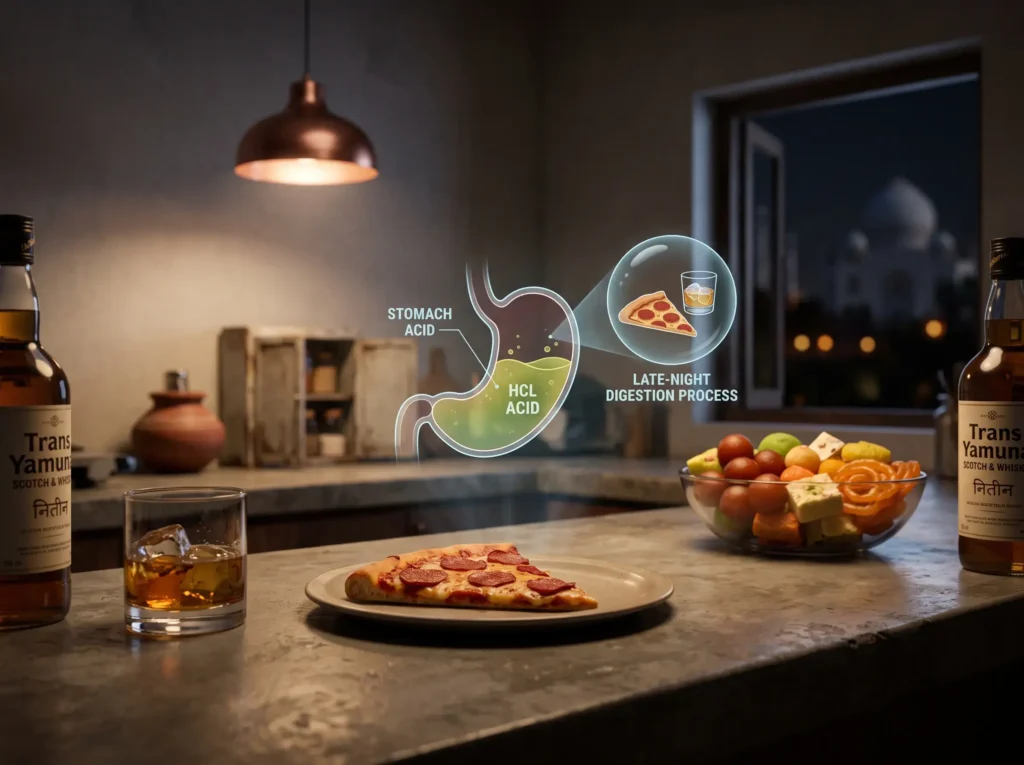
Why Do I Wake Up at 3AM After Eating Late?
Alcohol isn’t the only trigger for this exact wake-up window — which is worth knowing if you’re asking why do I wake up at 3am after eating late on nights you didn’t drink at all.
Late night snacks waking up in the middle of the night usually come down to one of two things:
- Blood sugar swings. A carb-heavy or sugary meal close to bedtime spikes insulin, which can cause a sharp drop a few hours later — the same adrenaline-driven jolt alcohol produces, just from a different starting point. This is the mechanism behind eating sugar before bed waking up at 3am: the crash after the spike lands right in that vulnerable pre-dawn window.
- Digestive load. A heavy, fatty, or large meal keeps your digestive system working while you’re trying to wind down, which can fragment sleep and trigger awakenings, especially in the lighter sleep stages that dominate the second half of the night.
Waking Up at 3AM With Acid Reflux
If your 3 AM wake-ups come with a burning sensation, a sour taste, or a cough, waking up at 3am with acid reflux is likely doing some of the work. Lying flat lets stomach acid travel back up the esophagus more easily, and both alcohol and late meals make this worse — alcohol by relaxing the lower esophageal sphincter, and a late meal simply by giving your stomach more to digest while you’re horizontal. The NHS notes that avoiding food and alcohol in the few hours before bed is one of the most effective ways to reduce nighttime reflux.
Hangover Waking Up Early Morning: Why the Two Are Linked
There’s a reason a hangover waking up early morning feels worse than the hangover itself justifies. Poor sleep and hangover symptoms feed each other. Sleep apnea and airway relaxation from alcohol can trigger headaches on their own, so a night of heavy drinking and disrupted sleep can both be contributing to the pounding head the next day — not just the alcohol itself.
Add dehydration from alcohol’s diuretic effect, and you get the full picture: dry mouth, headache, and grogginess that outlasts the alcohol itself by hours.
What Alcohol Does to Each Stage of Your Sleep
| Time of Night | What’s Happening | How It Feels |
|---|---|---|
| First 1–2 hours | GABA surge, heavy sedation | Fall asleep fast, feel “knocked out” |
| Middle of the night | Deep sleep early, REM suppressed | Solid at first, but lighter than normal |
| Around 3–4 AM | Alcohol clears; glutamate, cortisol, adrenaline rebound | Sudden wake-up, wired and alert |
| Pre-dawn | REM rebound, vivid dreaming | Light, fragmented sleep |
Alcohol suppresses REM sleep — the stage tied to memory and emotional processing — early in the night, and your brain tries to claw it back later, often producing unusually vivid or unsettling dreams. Research summarized by the National Institute on Alcohol Abuse and Alcoholism describes this fragmented, back-loaded sleep pattern as one of alcohol’s most consistent effects, not an occasional side effect.
How to Stop Waking Up at 3AM After Drinking
None of this means you’re stuck. There’s an established alcohol sleep disturbance cure, and most of it comes down to timing and preparation rather than complicated intervention.
Before you drink:
- Eat a real meal with protein and fat — it slows absorption and softens the blood sugar swing.
- Set a cutoff. Finishing your last drink 3 to 4 hours before bed gives your liver a head start, so the rebound has largely passed by the time you’re trying to fall asleep.
While you drink:
- Alternate each alcoholic drink with a glass of water. This blunts both the dehydration and the total volume of alcohol your body has to clear.
- Keep the total moderate. The size of the rebound tends to scale with how much you drank — a couple of drinks produces a mild version, a heavy night produces a much bigger overshoot.
Before bed:
- Drink a glass of water with a pinch of salt or an electrolyte tab to soften next-morning dehydration.
- Keep your bedroom cool — alcohol raises core body temperature, and a cooler room helps counteract the disruption to your body’s natural temperature drop at sleep onset.
- Skip the late-night snack, especially anything sugary, to avoid stacking a second blood sugar swing on top of the alcohol rebound.
If you’re already awake at 3 AM:
- Avoid checking the time repeatedly or forcing sleep — both tend to spike alertness further.
- Try slow breathing (a longer exhale than inhale) to nudge your nervous system out of the adrenaline-driven state.
- Keep lights dim if you need to get up, since bright light will delay your body’s return to sleep.
When to Talk to a Doctor
An occasional rough night after drinking is normal and not a red flag on its own. It’s worth raising with a doctor if:
- The 3 AM wake-up happens even on nights you haven’t been drinking
- You snore heavily, gasp, or a partner notices pauses in your breathing
- You’re relying on alcohol specifically to fall asleep, or find it hard to cut back
- Cutting back brings on shakiness, sweating, or significant anxiety
Persistent sleep fragmentation can point to something like sleep apnea or insomnia that alcohol is simply making worse, and that’s a conversation worth having with a clinician rather than something to self-manage indefinitely. Guidance from NICE recommends assessment for anyone whose alcohol use is interfering with sleep on a regular basis.
The Bottom Line
If you’ve been asking why do I wake up at 3am after drinking, the honest answer is that your body is doing exactly what it’s built to do: reacting to a chemical disruption and correcting for it. The glutamate rebound, the cortisol spike, and the blood sugar dip aren’t malfunctions — they’re your nervous system pulling itself back to baseline, all at once, in the same narrow window.
The fix isn’t complicated, even if it takes a little discipline: drink earlier, drink less, eat before you start, and give your body real time to clear the alcohol before you ask it to sleep. Do that consistently, and the 3 AM jolt tends to fade from a nightly event into an occasional footnote — the kind you can actually shrug off the next morning.
This article is for informational and educational purposes only and is not a substitute for professional medical advice, diagnosis, or treatment. Always consult your doctor or a qualified health provider before starting any new diet, exercise, or wellness routine.
Frequently Asked Questions (FAQs) :
Q1. Why do I wake up at 3am after alcohol?
You wake up at 3am after drinking because that’s when your body finishes clearing the alcohol and the sedative effect reverses into a rebound. Your brain overcorrects — glutamate surges, cortisol rises, and blood sugar dips — all converging in the same early-morning window. This is why so many people ask why do I wake up at 3am after drinking: it’s your nervous system snapping back to baseline, not a random disturbance.
Q2. What are the first signs of liver damage from alcohol?
Early alcohol-related liver disease usually causes no noticeable symptoms at all — damage can be underway before you feel anything.When symptoms do appear early on, they tend to be vague: confusion or memory problems, trouble sleeping, and personality changes from a buildup of toxins in the brain. Some people also notice discomfort in the upper right abdomen, fatigue, or unexplained weight loss. More advanced signs like yellowing of the skin or eyes (jaundice) mean it’s time to get medical help without waiting for symptoms to worsen.
Q3. Is staying up to 3am the same as being drunk?
No — it’s the opposite. The 3am wake-up happens once your blood alcohol level has mostly cleared, not while you’re still drunk. The rebound effect (glutamate and adrenaline surging back) is a sobering-up response, so being wide awake at 3am is a sign the alcohol is leaving your system, not still active in it.
Q4. What are three warning signs of alcoholism?
Needing much more alcohol than before to get the same effect, or noticing your usual amount now does much less is one recognized sign. Experiencing withdrawal symptoms as the effects wear off — trouble sleeping, shakiness, sweating, or a racing heart — is another. Continuing to drink despite it disrupting your home, job, or relationships rounds out three of the clinically recognized signs; per NIAAA, having even two of these can signal a drinking problem worth addressing early.

Nova
Health & Neuroscience Writer
Nova simplifies complex sleep architecture, circadian biology, and hormonal mechanics into actionable daily guides.
More in Sleep Science
8 Powerful Ways to Increase REM Sleep (Stop Waking Up Tired)
Sleeping 8 hours but still exhausted? Discover 8 science-backed ways to increase…
How to Fix Sleeping Posture: 4 Proven Ways to Stop Morning Neck Pain
Learn how to fix sleeping posture with 4 research-backed rules. Discover the…
Stop Waking Up Exhausted: 7 Proven Ways to Increase Deep Sleep and REM Sleep Naturally
Sleeping 8 hours but still waking up tired? Discover science-backed habits, foods,…

5 Shocking Mouth Taping for Sleep Mistakes That Can Ruin Your Health
Discover the real benefits, hidden risks, and safety steps of mouth taping…

5 Hidden Tricks: How to Fall Asleep Fast Military Method Really Works!
It's 1 a.m. You have to be up in five hours. Your…

5 Proven Tips for the Best Sleep Schedule for Night Shift Workers
Stop staring at the ceiling! Discover 5 vital strategies to build the…

5 Shocking Secrets to Reset Circadian Rhythm Naturally (No All-Nighters)
Struggling with late bedtimes? Learn 5 proven steps to reset circadian rhythm…
Constantly Wake Up at 3 AM to Pee? Here Are 3 Fixes That Actually Work
Stop the frustrating cycle of wake up at 3 AM to pee.…