

Dr. Wilder
Neuroscientist & Clinical Consultant • 15+ Years Exp in Cognitive Health
If you’ve spent months or years chasing a diagnosis that never quite explains the pain you feel, you’ve probably tried everything from stretching routines to elimination diets. Somatic tracking Alan Gordon, the technique popularized by therapist Alan Gordon, offers a different starting point: instead of fighting your body, you learn to sit with it. It sounds almost too simple to work. For many people living with chronic, treatment-resistant pain, it’s also the first thing that finally does.
This guide breaks down what somatic tracking actually is, where it came from, what the research says, and — critically — the part most articles leave out: what to do when the practice doesn’t go the way you expected.

Table of Contents
What Is Somatic Tracking Alan Gordon ?
Somatic tracking is a mindfulness-based practice that involves gently directing your attention toward physical sensations with curiosity, safety, and zero agenda. You’re not trying to fix the sensation, escape it, or force it to disappear. You’re simply getting to know it.
The term was coined by Alan Gordon, LCSW, the developer of Pain Reprocessing Therapy (PRT) — a treatment approach built to change how the brain interprets signals coming from the body. Somatic tracking draws from several overlapping fields:
- Mindfulness and meditation
- Somatic experiencing
- Interoception (your brain’s ability to read internal body signals)
- Pain neuroscience education
Somatic tracking isn't about ignoring pain or "thinking positive." It's about changing your relationship to a sensation so your nervous system stops treating it like a threat.
The Three Core Components
Practitioners generally describe somatic tracking as resting on three pillars:
- Mindfulness — observing bodily sensations on purpose, in the present moment, without judgment or reaction.
- Messages of safety — actively reminding your nervous system, while you notice a sensation, that you are not in danger.
- A light-hearted approach — staying curious rather than clinical. You’re an observer, not a mechanic trying to repair something broken.
None of these work in isolation. Attention without safety can backfire, and safety messaging without genuine attention rarely shifts anything long-term.
How Alan Gordon Shaped the Practice
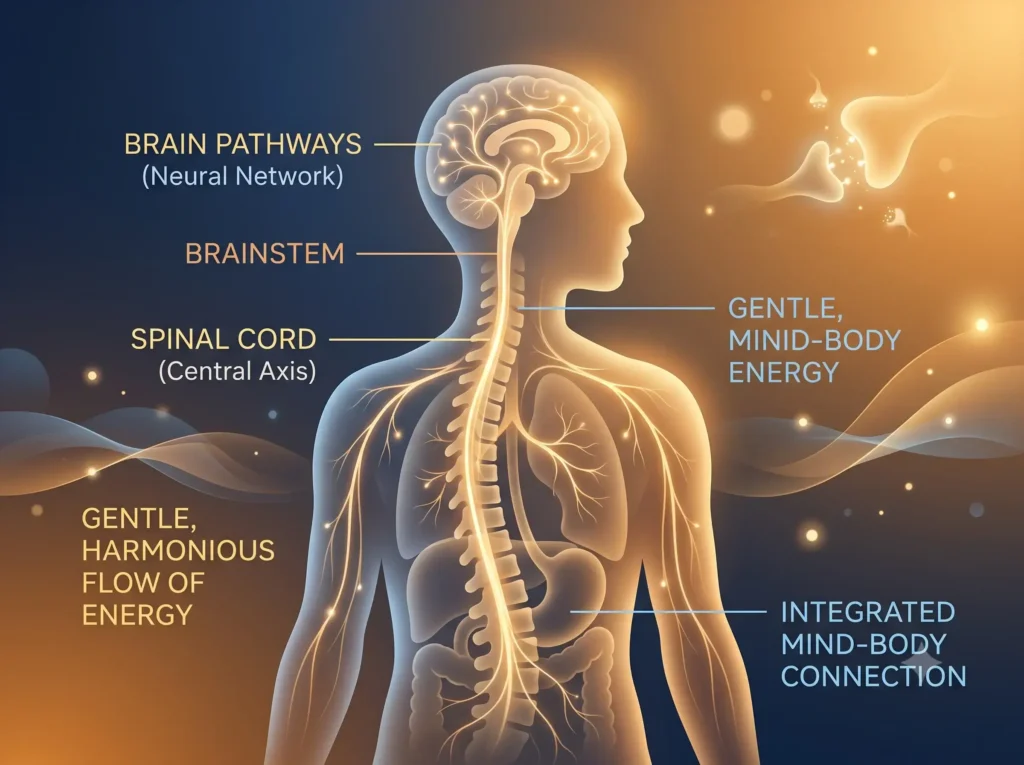
Alan Gordon didn’t invent mindfulness, and he’s the first to admit it. His contribution was naming and structuring a practice that trauma-informed and somatic practitioners had been using in fragments for years, then embedding it inside a broader framework for treating neuroplastic pain — pain generated or amplified by the brain rather than by ongoing tissue damage.
Gordon’s own description of the core challenge is blunt: the goal is to pay attention to pain without fear, even though many people have feared that pain for years. That’s the tension the entire practice is built to resolve.
The Science of Somatic Tracking Meditation for Pain
Chronic pain that persists after an injury has healed, or that appears without a clear structural cause, is increasingly understood through the lens of neuroplasticity — the brain’s capacity to strengthen or weaken neural pathways based on repeated experience. Pain reprocessing approaches are built on a growing body of clinical research into how psychological and behavioral interventions can reduce pain intensity in people with chronic back pain, a body of work that has been catalogued in clinical trial databases such as PubMed. Broader guidance on the biology of interoception and how the brain processes bodily signals is also available through the National Institutes of Health.
Here’s the mechanism in plain terms: if your brain has learned to associate a sensation with danger, it will amplify that sensation as a protective measure — turning up the “volume” the same way a smoke alarm gets louder the longer it senses smoke. Somatic tracking interrupts that loop. By observing a sensation from a place of calm rather than alarm, you give the brain new data. Repeated enough times, that new data can retrain the alarm system itself.
The NHS’s guidance on mind-body approaches to chronic pain management echoes a similar principle: psychological and behavioral techniques are increasingly recognized as a legitimate part of a pain management plan, not a replacement for medical care, but a complement to it.
The Part Nobody Warns You About: When Tracking Makes Pain Worse
This is where most articles on somatic tracking stop short — and where it helped to hear directly from someone who’d been practicing it.
James had spent months doing body scans, always waiting until he felt calm and mentally safe before starting. He was doing everything “by the book.” And yet he kept running into the same wall twice: focusing on the sensation seemed to intensify it, and the moment he got distracted, the pain would vanish — only to snap back the instant he remembered it, “almost like summoning a ghost.”
That contradiction confused him. He’d absorbed the common warning that attention reinforces neural pathways, so how could a technique built entirely on paying attention possibly help?
➟ 7 Powerful Polyvagal Exercises to Heal Your Dysregulated Nervous System
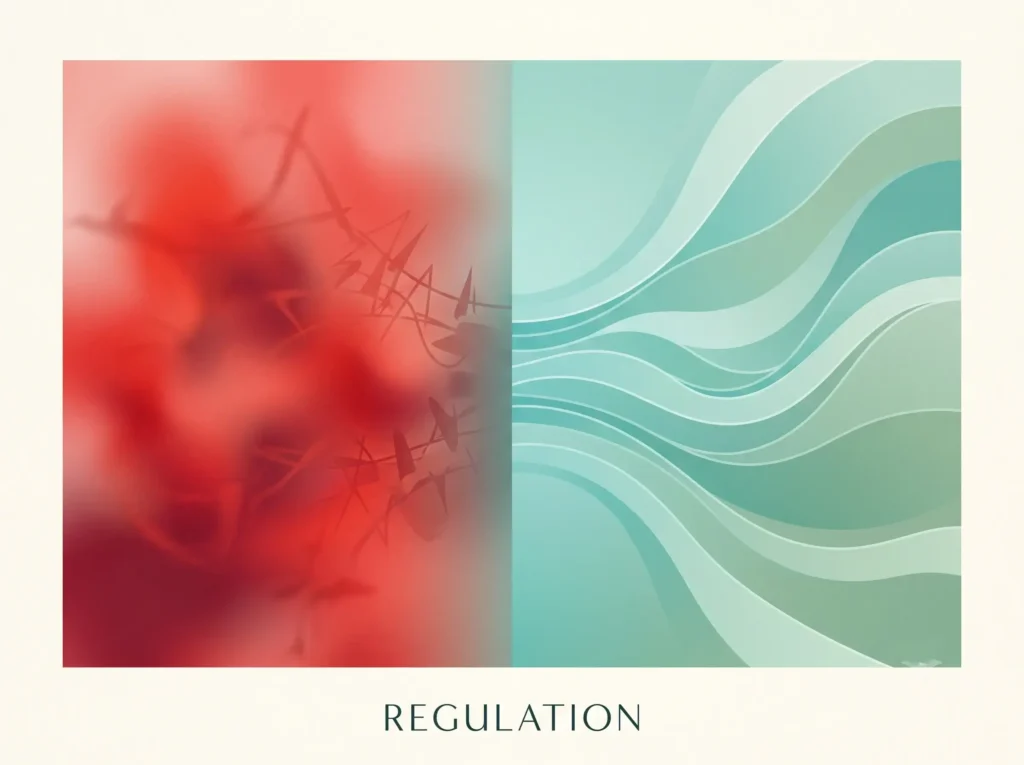
When he raised this with Alan Gordon directly, the answer reframed the whole practice for him. It isn’t the act of focusing that determines the outcome — it’s the emotion attached to that focus. Attending to a symptom with fear, frustration, or despair signals danger to the brain, and the brain responds by turning the pain up. Attending to that same symptom from a genuinely safe, neutral, or even mildly positive emotional state teaches the brain the opposite lesson.
Gordon distills this into a simple equation:
Pain = Sensation + Danger. Remove the perceived danger, and the sensation loses much of its power to hurt.
He also reassured James that struggling to feel safe while tuning into pain isn’t a sign of doing it wrong. If tracking a sensation feels too activating right now, that’s a completely valid place to be — somatic tracking is one tool, not the only path to healing.
Why This Matters for Your Own Practice
If your pain intensifies the moment you focus on it, that’s not proof the technique doesn’t work for you. It’s usually a sign that fear, frustration, or urgency crept into the attention itself. The fix isn’t to try harder — it’s to lower the emotional stakes of the observation before you deepen it.
How to Do a Somatic Tracking Exercise
Below is a structure that blends the standard clinical steps with the emotional-safety nuance Gordon emphasizes.
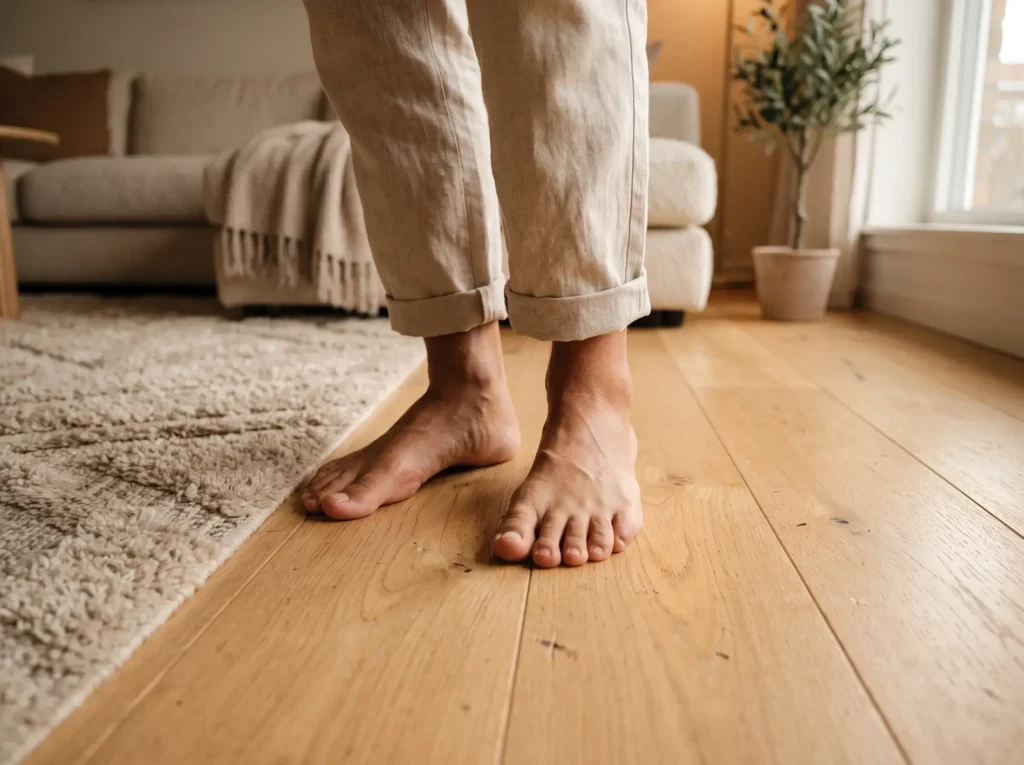
1. Settle and ground. Find a quiet space. Notice your feet on the floor, or the parts of your body supported by a chair. Take a few breaths and check in — sensations, breath, energy, thoughts, emotions.
2. Choose your focus. Bring gentle attention to a sensation of discomfort, tension, or pain. If discomfort feels too activating to start with, begin instead with a neutral or pleasant sensation, such as your breath. If you are working with pain directly, aim for an intensity around 3–4 out of 10, rarely above 5 — stronger sensations make it harder to stay curious rather than reactive.
3. Observe with curiosity, not analysis. Notice location, size, shape, temperature, texture. Ask whether it shifts or stays the same. You’re gathering information, not making a diagnosis.
4. Notice thoughts and emotions as they arise. If fear or frustration surfaces, acknowledge it gently — you might silently label it (“worry,” “criticism”) — then return to the sensation. You can also apply the same curious attention directly to the emotion’s physical signature.
5. Anchor to safety. Consciously connect with a felt sense of safety. A simple phrase can help: “This is simply a sensation. It’s safe to feel.”
6. Close with a check-in. Compare how you feel now to when you started. If it feels right, shift attention to something neutral or pleasant — the rhythm of your breath, warmth in your hands — to reinforce the sense of ease before you finish.
➟ 7 Proven Ways How to Activate the Vagus Nerve for Rapid Stress Relief
When to Practice — and When to Pause
| Situation | Practice somatic tracking? | Why |
|---|---|---|
| Mild to moderate pain during daily activity | Yes | Easier to observe from a place of safety |
| A pain flare-up or high-intensity episode | No | Too difficult to feel safe; risk of reinforcing fear |
| No pain present | Optional | No need to seek it out — simply live your life |
| Overwhelming fear when attempting to focus | Pause or reduce intensity | Start with neutral sensations instead |
Common Obstacles — and How to Move Through Them
“Focusing on it makes it worse.” As James discovered, this usually points to fear riding along with the attention. Try shortening sessions, lowering pain intensity thresholds, or starting with neutral sensations to rebuild trust in the process first.
“It disappears when I’m distracted, then comes back.” This is a common and, according to Gordon’s framework, expected pattern — it demonstrates that the brain, not tissue damage, is heavily involved in how the sensation is being generated and regulated.
“I don’t feel safe enough to try this yet.” That’s a legitimate signal, not a failure. Somatic tracking works best layered onto some baseline of nervous system regulation. Trauma-informed therapy, breathwork, or simply more time may need to come first.
Tips for Practicing Somatic Tracking Successfully
- Be kind to yourself. This is a skill, and skills take repetition to build.
- Prioritize safety over intensity. A calm five minutes beats a tense twenty.
- Stay curious, not goal-oriented. The moment tracking becomes about “making the pain go away,” the emotional tone shifts back toward fear.
- Practice little and often. Short, frequent sessions tend to outperform occasional long ones.
- Combine it thoughtfully. Somatic tracking pairs well with cognitive approaches that address the stories we tell ourselves about pain, alongside the sensations themselves.
Moving Forward With Somatic Tracking
Somatic tracking, as Alan Gordon has shaped it, isn’t a quick fix or a substitute for medical evaluation of new or changing symptoms. What it offers is a structured way to change your nervous system’s relationship with sensation — provided the attention you bring to it comes from safety rather than fear. If a session leaves you more tense than when you started, that’s information, not failure: dial back the intensity, shorten the session, or simply pause and try again another day. For chronic pain shaped more by the brain’s alarm system than by ongoing injury, that shift in how you pay attention can be the difference that finally moves the needle.
This article is for informational and educational purposes only and is not a substitute for professional medical advice, diagnosis, or treatment. Always consult your doctor or a qualified health provider before starting any new diet, exercise, or wellness routine.
Frequently Asked Questions (FAQs) :
Q1. What is somatic tracking in therapy?
Somatic tracking is a mindfulness-based technique where you gently direct attention toward physical sensations with curiosity, safety, and zero agenda — without trying to fix, escape, or judge them. It was coined by Alan Gordon as part of Pain Reprocessing Therapy, and it rests on three pillars: mindfulness, messages of safety, and a light-hearted, non-clinical approach to observation.
Q2. What is Alan Gordon known for?
Alan Gordon, LCSW, is known for developing Pain Reprocessing Therapy (PRT) and naming the somatic tracking technique within it. His core insight is that pain often equals sensation plus perceived danger, and that alan gordon somatic tracking work centers on removing the fear attached to a sensation rather than the sensation itself.
Q3. Does somatic tracking work?
Somatic tracking can work by giving the brain new, calmer data about a sensation it has previously flagged as dangerous, which over time can retrain the alarm system driving neuroplastic pain. Results depend on how the practice is done — attention paired with fear tends to intensify pain, while attention paired with genuine safety is what drives the shift.
Q4.Can I do somatic tracking on my own?
Yes, a somatic tracking exercise can be practiced independently by finding a quiet space, gently focusing on a sensation at mild-to-moderate intensity, and observing it with curiosity while reminding yourself that you’re safe. If tuning into pain feels too overwhelming right now, that’s a valid signal to start with neutral sensations instead, since somatic tracking is only one tool among several for healing.
Q5.How often should I do somatic tracking?
Practicing little and often works better than occasional long sessions, ideally during mild to moderate pain rather than during a flare-up when it’s harder to feel safe. Consistent short sessions of somatic tracking meditation for pain build the skill gradually, so there’s no need to force a session when pain isn’t present at all.

Remi
Mental Health & Psychology Writer
Remi focuses on stress physiology, nervous system regulation, cognitive resilience, and mindfulness.
More in Mind & Nervous
7 Proven Polyvagal Exercises for Nervous System Regulation: End Chronic Panic & Feel Safe
Logic can't talk your body down from panic. Master 7 polyvagal exercises…
Stop the Pain: 5 Proven Somatic Tracking for Fibromyalgia Steps
Break the chronic flare-up cycle. Learn how Somatic Tracking for Fibromyalgia calms…

7 Secrets of Breathing Exercise for Vagus Nerve Stimulation to Stop Anxiety Fast
Struggling with stress? Discover 5 science-backed breathing exercise for vagus nerve stimulation…
12 Powerful Somatic Exercises for Stress to Reset Your Nervous System
Feeling overwhelmed or physically tense? Discover 12 simple somatic exercises for stress…

7 Powerful Polyvagal Exercises to Heal Your Dysregulated Nervous System
Stuck in anxiety or shutdown? Learn how 7 powerful polyvagal exercises help…
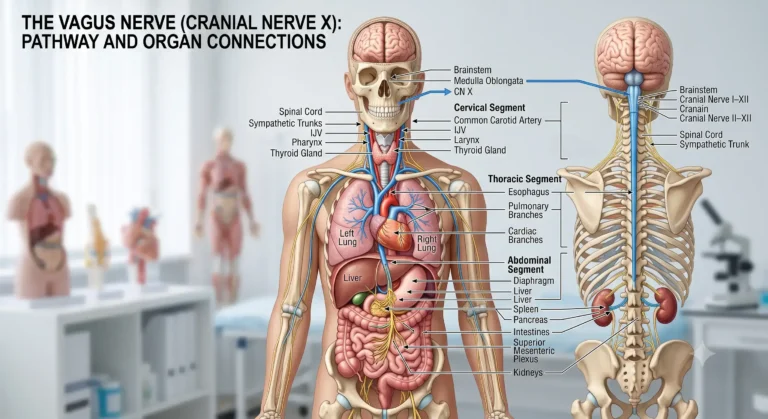
7 Proven Ways How to Activate the Vagus Nerve for Rapid Stress Relief
Discover how to activate the vagus nerve naturally with science-backed habits. Improve…
Infrared Sauna vs Traditional Sauna: Don’t Waste 1 Minute on the Wrong Choice
Discover Infrared Sauna vs Traditional Sauna for muscle recovery and longevity. Compare…
8 Powerful Ways to Increase REM Sleep (Stop Waking Up Tired)
Sleeping 8 hours but still exhausted? Discover 8 science-backed ways to increase…