Dr. Freya
Digital Health & Wearables Researcher • 7+ Years Exp in Health Tech Analysis
If you’ve ever woken up groggy despite spending eight hours in bed, you already know the question that’s driving so many people toward wearable tech right now: what is actually happening while you sleep? Finding the best sleep tracker for your body and your budget isn’t just about picking whatever’s trending — it’s about understanding what these devices measure, where they fall short, and how to use the data without letting it take over your nights.
This guide breaks down the top options on the market, compares wearables to non-wearables, and pulls in real feedback from people who’ve actually lived with this data for months at a time — including some perspectives that might surprise you about whether tracking sleep even helps.
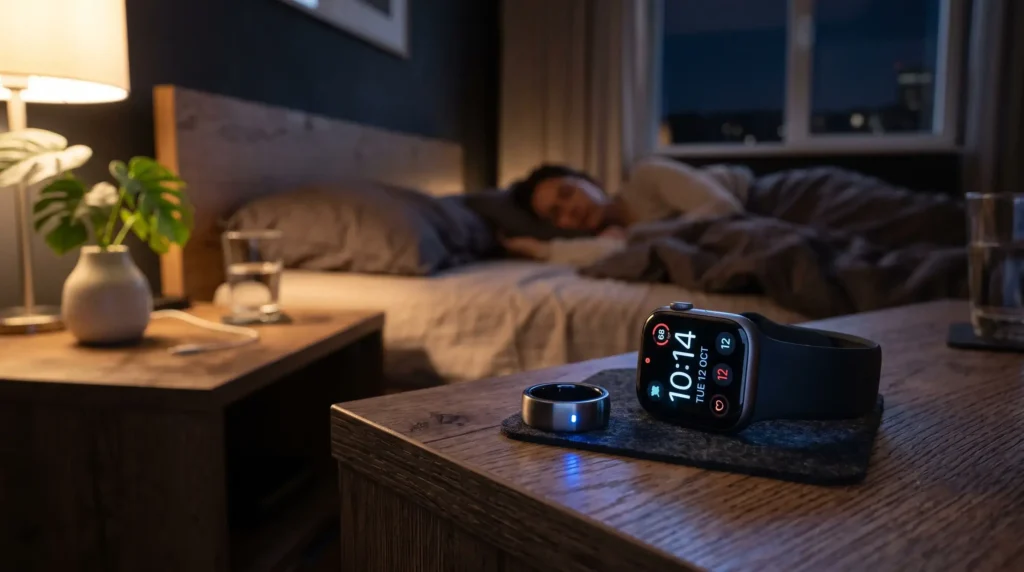
Table of Contents
What Makes a Sleep Tracker Accurate?
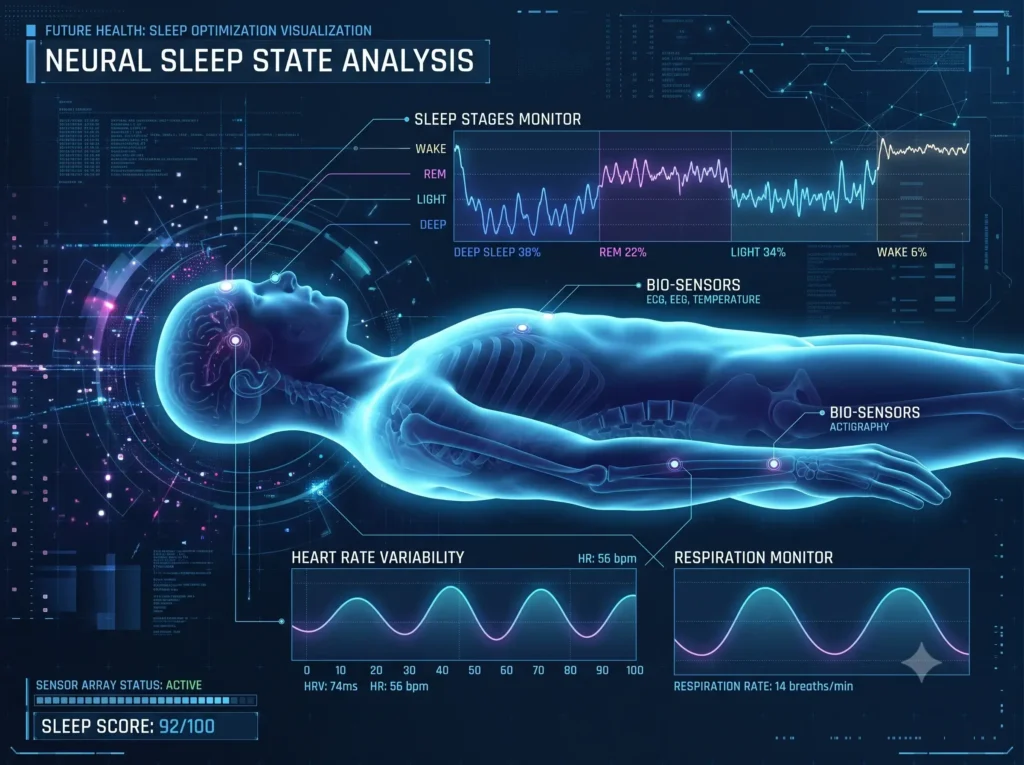
Every consumer sleep tracker is trying to approximate what a clinical sleep lab does with far more sophisticated equipment. A polysomnography test — the gold standard used by sleep physicians — reads brain activity, eye movement, breathing, and muscle signals directly. Consumer devices can’t do that. Instead, they infer sleep stages from a combination of movement (via accelerometer), heart rate, heart rate variability (HRV), skin temperature, and sometimes blood oxygen levels.
That distinction matters. Sleep medicine specialists who’ve reviewed today’s popular smartwatches note that most devices are fairly reliable at estimating total sleep time and when you fell asleep or woke up, but far less precise when it comes to distinguishing light, deep, and REM stages. Because these trackers are more sensitive to sleep than to wakefulness, they tend to overestimate total sleep and underestimate how long you were actually lying awake. The takeaway from sleep researchers is consistent: use trackers to spot trends and motivate better habits, not to self-diagnose a sleep disorder.
Devices like the Apple Watch and Samsung Galaxy Watch have gone a step further by adding FDA-authorized obstructive sleep apnea (OSA) screening — the Apple Watch flags potential moderate-to-severe OSA by analyzing motion data over a 30-day window, while Samsung’s equivalent feature requires two qualifying nights of at least four hours of sleep within a 10-day period. Both are explicitly screening tools, not diagnostic ones, and any positive flag should be followed up with an actual sleep study.
Best Sleep Trackers of 2026 — Top Picks
Whoop 5.0 — Best Overall Whoop Sleep Tracker
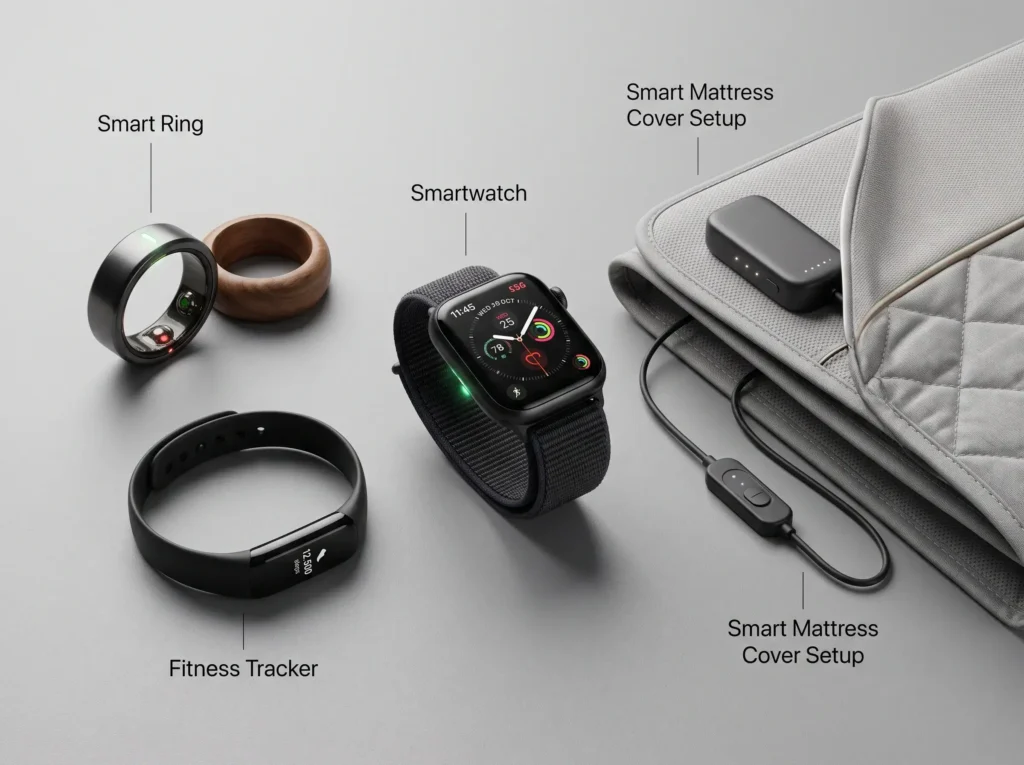
The Whoop sleep tracker has built its reputation on going deeper than a simple sleep score. With no screen and a slim, button-free band, Whoop leans on LEDs, temperature sensors, and photodiodes to build a nightly picture of your sleep and recovery, then layers on an AI coach that recommends bedtimes and breathing exercises based on your data. Reviewers consistently rate it among the most reliable trackers for sleep timing and duration, with battery life stretching up to two weeks on the newer Peak and Life models. The tradeoff is a mandatory subscription — Whoop’s hardware comes bundled into a membership starting around $199 a year, scaling up to $359 for tiers that add blood pressure insights and ECG readings.
Oura Ring 5 — Best Sleep Tracker Ring
If wrist-worn devices aren’t your thing, the Oura Ring 5 is consistently rated as the best sleep tracker ring on the market. It’s roughly 40% smaller than its predecessor, comes in six finishes and sizes 6 through 13, and delivers five to seven days of battery life — noticeably longer than most watch-based trackers. Beyond sleep staging, Oura tracks stress, illness signals, and menstrual cycle data, and syncs with platforms like Apple Health and Strava. The main catch is a required $6-per-month subscription to unlock most features.
Apple Watch — Best Smartwatch for Sleep Tracking (With Caveats)
For anyone already living in Apple’s ecosystem, Apple Watch sleep tracking is a genuinely convenient option, especially since the Series 9 through 11 and Ultra 2 include FDA-authorized sleep apnea notifications. The newest Series 11 also calculates a broader sleep score that factors in duration, bedtime consistency, and interruptions. The catch is battery life — at roughly 24 hours per charge, an Apple Watch worn all day for fitness and notifications may need to come off the wrist right when you need it most, overnight.
Samsung Galaxy Watch and Galaxy Ring
Samsung was actually first to market with FDA-authorized OSA screening on the Watch 7, Watch 8, and Ultra lineup, and its Galaxy Ring offers a genuinely comfortable, no-subscription alternative for Android users. It tracks nearly everything Oura does — with snore detection as a bonus — though it notably skips HRV measurement, and full functionality depends on pairing with a newer Galaxy phone.
Fitbit Inspire 3 — Best Budget Tracker Watch
For sleepers who want reliable data without a steep price tag, the Fitbit Inspire 3 delivers heart rate, blood oxygen, and sleep-stage tracking at under $100, with up to 10 days of battery life. Core sleep and workout tracking work without a subscription, though advanced features like guided workout classes sit behind Fitbit’s premium tier.
Eight Sleep Pod 5 Core — Best Mattress Cover Tracker
Rather than wearing anything, the Eight Sleep Pod fits over your mattress and actively regulates temperature — cooling or warming each side of the bed independently based on your sleep stage. It’s a strong pick for hot sleepers or couples with mismatched temperature preferences, though it comes at a steep price and typically locks buyers into a 12-month subscription.
➟ Why You Should NOT Buy Oura Ring 4: 5 Shocking Flaws vs 1 Genius Feature
Withings Sleep Tracking Mat and ScanWatch 2
Withings offers two very different non-wearable and low-commitment paths. The Sleep Tracking Mat slides under your mattress and uses pneumatic and sound sensors to log heart rate, respiration, and snoring — no wearable required, though it does need to stay plugged in and can occasionally pick up a partner’s or pet’s movement. The ScanWatch 2, meanwhile, looks and feels like a traditional analog watch rather than a smartwatch, offers up to 35 days of battery life, and doesn’t require a subscription for its core sleep and ECG features.
SleepOn Go2Sleep — A Ring Built Around Apnea Detection
Unlike general-purpose sleep tracker rings, the SleepOn Go2Sleep is designed specifically around detecting breathing irregularities. It monitors blood oxygen saturation, heart rate, and HRV through a flexible silicone ring, and generates an apnea-hypopnea index (AHI) alongside standard sleep-stage data. If a reading falls outside normal oxygen ranges, the ring vibrates to nudge you into a different sleep position. It’s a narrower use case than Oura or Whoop, but a relevant option for anyone specifically concerned about sleep-disordered breathing rather than general sleep optimization.
Wearable vs. Non-Wearable: Choosing Your Type
Before comparing specific models, it helps to decide which category fits your lifestyle:
- Rings (Oura, Galaxy Ring, SleepOn Go2Sleep) are lightweight and easy to forget you’re wearing, but can interfere with grip during workouts and need correct sizing and orientation to read accurately.
- Watches and bands (Whoop, Apple Watch, Fitbit, Withings ScanWatch) double as daytime fitness trackers, but battery life varies enormously — from 24 hours to over a month — and that directly affects how consistently you’ll actually wear one to bed.
- Non-wearables (Eight Sleep, Withings Mat) remove the “remembering to wear it” problem entirely, but usually cost more upfront and need a nearby power outlet.
Real Users, Real Experiences
Specs only tell half the story. Talking to people who’ve actually lived with these devices for months reveals patterns you won’t find in a product page.
Rhio, who tried tracking her sleep for several months, found that the constant stream of data eventually became its own source of stress. Rather than helping her sleep better, checking the numbers each morning sometimes made her more anxious about sleep itself. What actually moved the needle for her wasn’t the tracking at all — it was paying closer attention to her environment: light levels, noise, a consistent wind-down routine, and whether her mind was still racing before bed. Her experience is a useful reminder that data alone rarely changes behavior; awareness of your surroundings often does more of the work.
James, who has compared several wrist-based trackers directly, points out a limitation that clinicians echo: movement- and heart-rate-based devices are good at estimating overall sleep trends but noticeably weaker at pinpointing exact deep and REM stages. In his experience, headband EEG trackers — which read actual brainwave activity rather than inferring it from motion — offer a level of precision that wrist wearables simply can’t match.
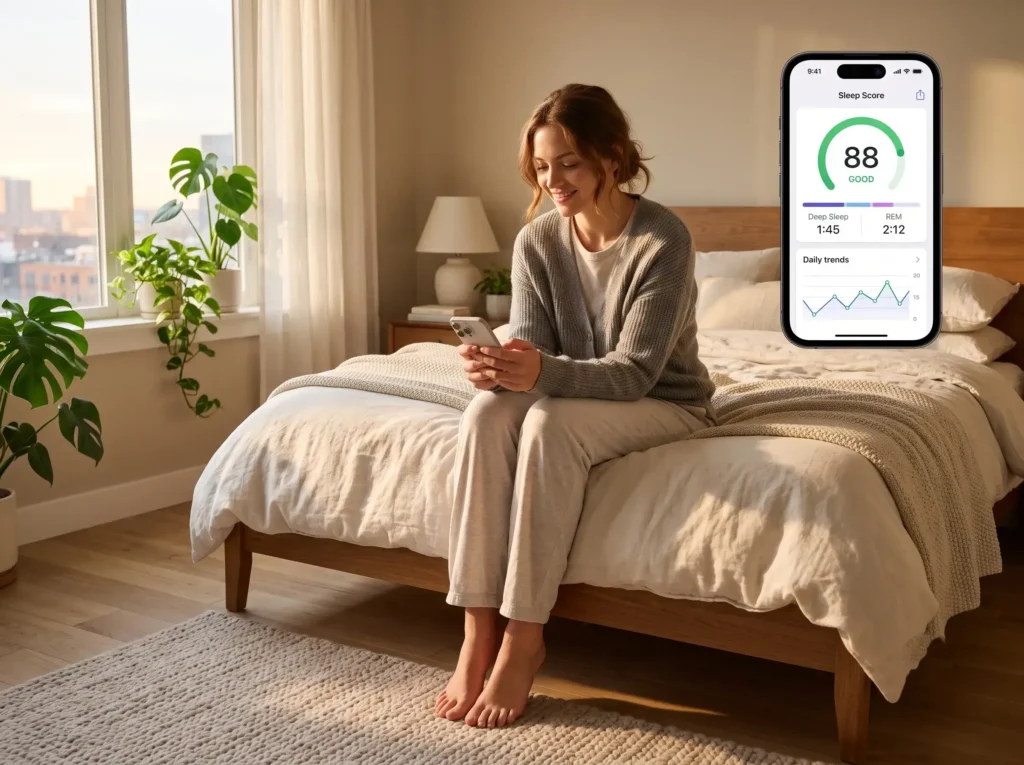
Leo, a biomedical engineer, frames the issue in terms of a phenomenon sleep researchers have started calling “orthosomnia” — anxiety generated specifically by obsessing over sleep scores. His view is that most trackers hand you a number without giving you any tool to act on it. He suggests treating sleep improvement like a personal experiment: change one variable at a time — light exposure, a supplement, screen time — and measure its direct effect on your sleep architecture, ideally with EEG-level detail rather than a generic readiness score. It’s a more scientific, hands-on approach than simply checking a dashboard each morning, and it points toward where the next generation of sleep tech may be headed.
Together, these three perspectives capture the real tension in sleep tracking: the tools are only as useful as what you do with the information, and for some people, less data paired with more consistency beats a flood of nightly metrics.
What Sleep Trackers Can (and Can’t) Tell You
It’s worth repeating a point sleep physicians make often: no consumer device, however sophisticated, replaces a clinical sleep study. Where wearables shine is in longitudinal tracking — noticing that your resting heart rate is trending down as you get fitter, or that your recovery scores tank after a poor night, or that a late workout consistently disrupts your sleep the same night. Where they fall short is precision at the level of individual sleep stages and any kind of medical diagnosis. If a tracker consistently flags something abnormal — irregular breathing, unusually low oxygen levels, persistent low sleep scores despite good habits — that’s a signal to bring the data to a doctor, not to self-treat based on an app’s recommendation.
How to Choose the Best Sleep Tracker for You
A few practical questions can narrow the field quickly:
- Do you want depth or simplicity? Whoop and Oura offer the most granular data and coaching; Fitbit and the Withings Mat are better if you want a straightforward score without much extra noise.
- Can you commit to a subscription? Whoop and Eight Sleep require ongoing membership fees; Withings and Samsung’s Galaxy Ring do not.
- Do you need apnea screening specifically? Apple Watch, Samsung Galaxy Watch, and SleepOn Go2Sleep all offer some version of breathing-related monitoring; general trackers like Fitbit do not.
- How disciplined are you about charging? If a dead battery means a missed night of data, prioritize devices with charge-while-wearing designs or battery life measured in weeks rather than hours.
Final Thoughts
There’s no single best sleep tracker for everyone — the right choice depends on whether you want a ring, a watch, or something you never have to remember to put on at all. What the data consistently shows, and what real users like Rhio, James, and Leo confirm from lived experience, is that the device is only the starting point. The real value comes from what you do with the information — adjusting your environment, testing one variable at a time, or in some cases, learning when to put the data down and just focus on the basics of a good bedtime routine.
This article is for informational and educational purposes only and is not a substitute for professional medical advice, diagnosis, or treatment. Always consult your doctor or a qualified health provider before starting any new diet, exercise, or wellness routine.
Frequently Asked Question (FAQs):
Q1. Which sleep tracker is the most accurate?
No consumer device matches a clinical polysomnography test, but among wearables, the Whoop sleep tracker and Oura Ring 5 are rated the most reliable for sleep timing and duration. Both use multiple signals — HRV, resting heart rate, movement, and temperature — rather than motion alone, which improves accuracy. Even so, all trackers, including the best sleep tracker options on the market, are still less precise at distinguishing exact deep and REM stages.
Q2. What is the best sleep tracker to improve sleep?
The best sleep tracker for actually improving sleep isn’t necessarily the one with the most data — it’s the one you use to spot patterns and act on them. Real users found that combining tracking with attention to light, noise, and a consistent wind-down routine mattered more than the numbers themselves. Devices like the Whoop sleep tracker and Oura Ring 5 pair data with coaching, which helps translate trends into actual habit changes.
Q3. Which is the best device to monitor sleep?
It depends on whether you want a wearable or non-wearable option. For hands-off monitoring, the Eight Sleep Pod and Withings Sleep Tracking Mat track heart rate, respiration, and sleep stages without anything worn on the body. For breathing-specific monitoring, the SleepOn Go2Sleep tracker stands out, since it’s built around detecting blood oxygen dips and generating an apnea-hypopnea index.
Q4. Which is the best sleep tracker watch?
The Whoop 5.0 is the top-rated overall sleep tracker watch, offering detailed sleep and recovery data through an AI coach, though it requires a subscription. For a no-subscription alternative, the Withings ScanWatch 2 offers up to 35 days of battery life with core sleep and ECG tracking built in. Budget-conscious buyers can also consider the Fitbit Inspire 3, which delivers reliable sleep-stage tracking under $100.
Q5. Which smartwatch is best for sleep?
For built-in health screening, Apple Watch sleep tracking stands out thanks to FDA-authorized sleep apnea notifications on the Series 9–11 and Ultra 2, alongside a broader sleep score in the latest models. The Samsung Galaxy Watch is a strong alternative, having been first to market with FDA-authorized OSA screening on its Watch 7, 8, and Ultra lineup. Between the two, the best smartwatch for sleep tracking often comes down to ecosystem — Apple Watch for iPhone users, Galaxy Watch for Android.
Cleo
Health Tech & Bio-Wearable Journalist
Cleo tests and reviews sleep trackers, bio-wearables, health hardware, and consumer algorithms.
More in Health Tech
Why You Should NOT Buy Oura Ring 4: 5 Shocking Flaws vs 1 Genius Feature
Before spending your money, see why you should NOT buy the Oura…
7 Proven Polyvagal Exercises for Nervous System Regulation: End Chronic Panic & Feel Safe
Logic can't talk your body down from panic. Master 7 polyvagal exercises…
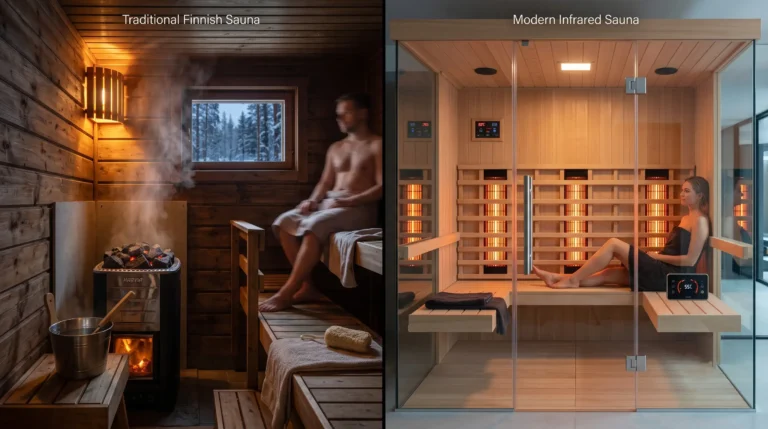
Infrared Sauna vs Traditional Sauna: Don’t Waste 1 Minute on the Wrong Choice
Discover Infrared Sauna vs Traditional Sauna for muscle recovery and longevity. Compare…
8 Powerful Ways to Increase REM Sleep (Stop Waking Up Tired)
Sleeping 8 hours but still exhausted? Discover 8 science-backed ways to increase…
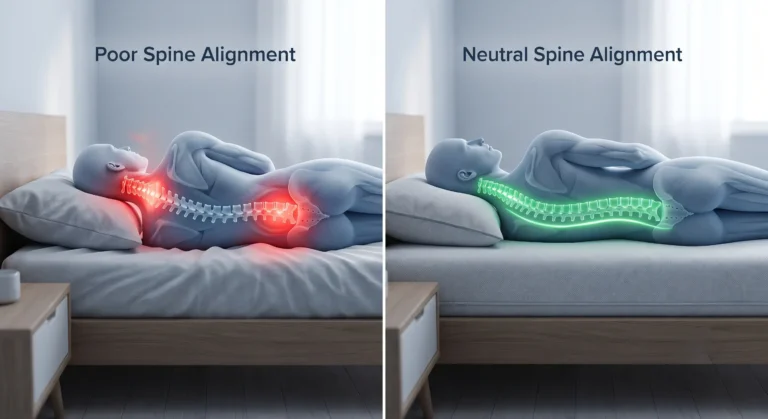
How to Fix Sleeping Posture: 4 Proven Ways to Stop Morning Neck Pain
Learn how to fix sleeping posture with 4 research-backed rules. Discover the…
Stop Waking Up Exhausted: 7 Proven Ways to Increase Deep Sleep and REM Sleep Naturally
Sleeping 8 hours but still waking up tired? Discover science-backed habits, foods,…

Don’t Ignore These 9 Warning Early Perimenopause Symptoms in 30s
Struggling with irregular cycles or fatigue? Don't ignore these early perimenopause symptoms…

Stop the Pain: 5 Proven Somatic Tracking for Fibromyalgia Steps
Break the chronic flare-up cycle. Learn how Somatic Tracking for Fibromyalgia calms…